The Best Stationery for Writers Who Love the Ritual of Pen and Paper
I have a confession: I’m a stationery hoarder.
Not the serious, school-homeworky kind of stationery. Not that! I mean the good stuff. The notebooks with thick, creamy pages that practically beg you to fill them. The pens that glide across paper like butter. The kind of stationery that makes you want to write just so you have an excuse to use it. I’ve always been the same. As I’m typing this, I have three new notebooks not yet used and some stickers and post-its lined up as well, not for anything in particular, but just because.
Quick note, there are some affiliate links throughout this post, which make no difference to you and are only things I love, but they help me keep this site going.
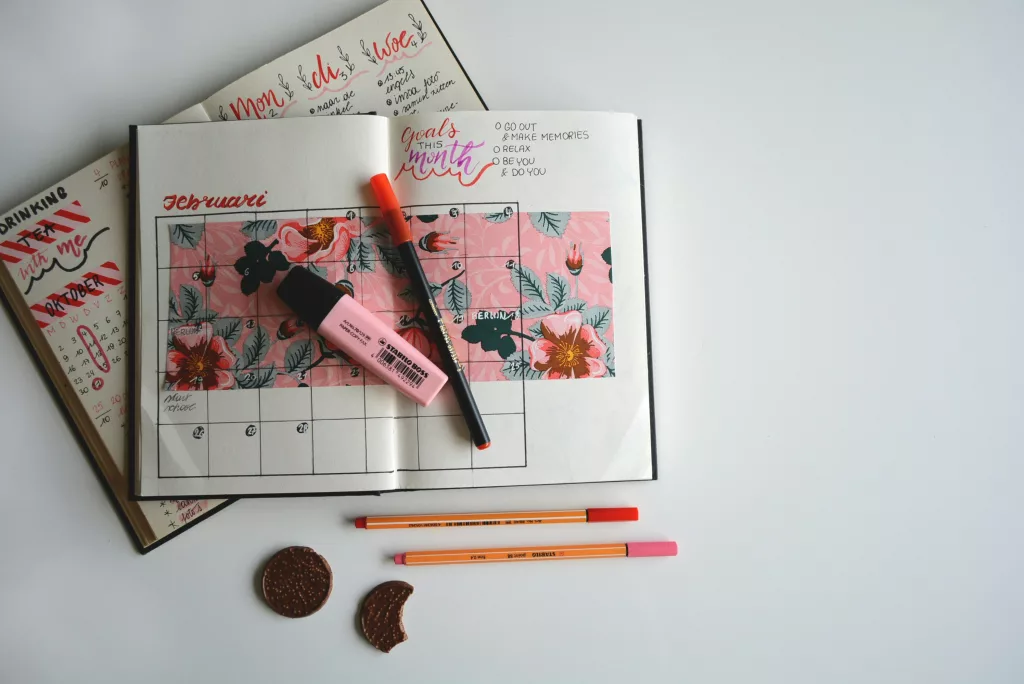
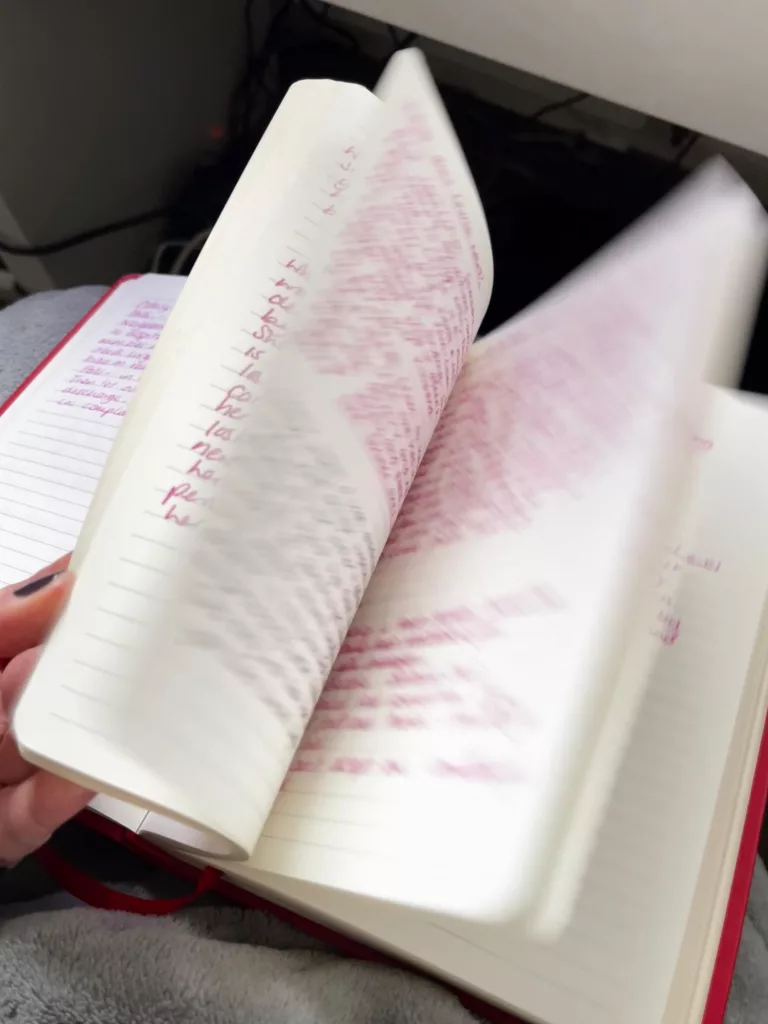
And I love my personalised journal that I use for my morning pages (hello, Artist’s Way enthusiasts). And I need to get a new one for my current novel. I buy a new one for each book once the characters and scenes start to form.
I mostly write on my laptop. My novels, my freelance work, everything. It’s faster, it’s practical, and it’s what makes sense when you’re juggling family life and a full-time workload.
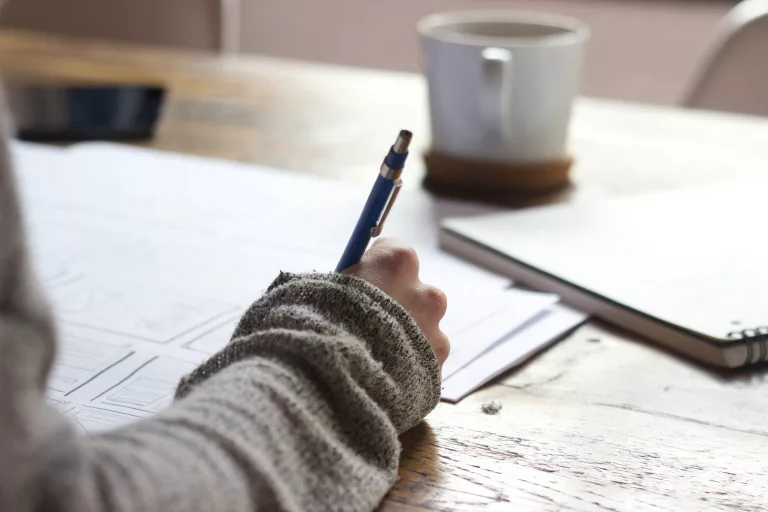
But there’s something about writing by hand that hits a different part of my brain. When I’m stuck on a scene, when a character won’t talk to me, when I need to feel my way through a plot knot, I find myself reaching for my notebook and my favourite pen, and suddenly, the words come easier and I feel like a kid doing make-believe again.
And! It turns out, there’s actual science behind this.
Research shows that handwriting engages more areas of the brain than typing, particularly regions associated with creativity, memory, and critical thinking. Scientists at Norwegian University of Science and Technology found that brain connectivity patterns are “far more elaborate” when writing by hand compared to typing on a keyboard.
In other words: pen and paper aren’t just nostalgic relics. They’re creativity tools. I knew that! Felt it in my soul, in fact, but it’s great to have the facts to back it up. (See the bit below where I do the research)
So if you’re someone who’s been typing everything into your Notes app but secretly craves the sensory magic of writing by hand, this post is for you. And if you’re already a stationery lover who just wants to upgrade your collection? Welcome home, friend.
I’m going to walk you through the best stationery for writers, organised by how you use it, whether you’re drafting longhand, plotting your next book, doing morning pages, or just need a place to capture those brilliant 2am ideas.
Let’s talk about the ritual of pen and paper.
Why Handwriting Matters More Than You Think (The Science Bit)
Before we dive into notebooks and pens, let’s talk about why this actually matters for your writing.
Because I know some of you are thinking: “I can type 80 words per minute. Why would I slow myself down with a pen?”
Fair question. So let me tell you why…
Your Brain Works Differently When You Write by Hand
Handwriting requires fine-tuned coordination between motor and visual systems in ways that typing doesn’t, which more deeply engages the brain in ways that support learning and creativity.
Think about it: when you type, every letter is the same finger motion. Press a key. Press another key. Repeat.
But when you write by hand, every letter requires a unique sequence of movements. Your brain has to think about forming that letter. And that extra cognitive engagement does something magical, it forces you to slow down, process more deeply, and make connections you might miss when you’re racing across a keyboard.
Studies consistently show that people remember information better when they write it by hand compared to when they type it, likely because the slower, more effortful process forces deeper engagement with the material.
Handwriting Slows You Down (In a Good Way)
When I’m typing a first draft, my fingers are trying to keep up with my brain. It’s fast and quick.
But when I pick up a pen? I have to choose my words more carefully. I can’t just vomit out a paragraph and fix it later. The act of physically forming each letter makes me more intentional.
For plotting, character work, and wrestling with thematic questions? That slowness is a feature, not a bug.
The Sensory Experience Matters
There’s something about the scratch of pen on paper, the weight of a notebook in your hands, the smell of fresh pages. It’s tactile. It’s present. It pulls you out of the digital noise and into your story.
This is why creating a cozy writing routine isn’t just about productivity—it’s about engaging all your senses to signal to your brain: this is sacred creative time.
How to Choose the Right Stationery for Your Writing
Not all notebooks are created equal. And definitely not all pens.
The stationery that works for morning pages might not work for plotting a novel. The notebook you love for freewriting might be terrible for structured outlining.
So before we get into specific recommendations, here’s how to think about what you actually need:
Consider Your Use Case:
Morning Pages / Stream of Consciousness: You need something that can handle fast, messy writing. No fancy paper necessary, just something that won’t judge you for brain dumps.
Plotting / Character Work: You want structure. Sections, maybe some prompts, space to draw connections and web out ideas.
Longhand Drafting: This is where paper quality matters. If you’re writing full scenes by hand, you need smooth pages that won’t cramp your hand after two paragraphs.
Idea Capture: Small, portable, always with you. For when inspiration strikes at the supermarket or during school pick-up.
Think About Your Pen Preferences:
- Ballpoint: Reliable, no-fuss, works on any paper
- Gel: Smooth, colourful, satisfying (my personal favourite)
- Rollerball: Consistent flow, professional feel
- Fountain pen: Luxurious, tactile, requires good paper (my current treat-yourself obsession)
Don’t Buy ‘Serious’ Stationery
If it reminds you of homework, or being told off for bad handwriting, don’t buy it.
Your creative stationery should feel like a treat. Like you’re choosing to use it, not being forced to. We’re going for grown-up cosy, not stuffy office supplies or childish cartoon characters.
The Best Notebooks for Writers (By Use Case)
Let’s start with the star of the show: notebooks.
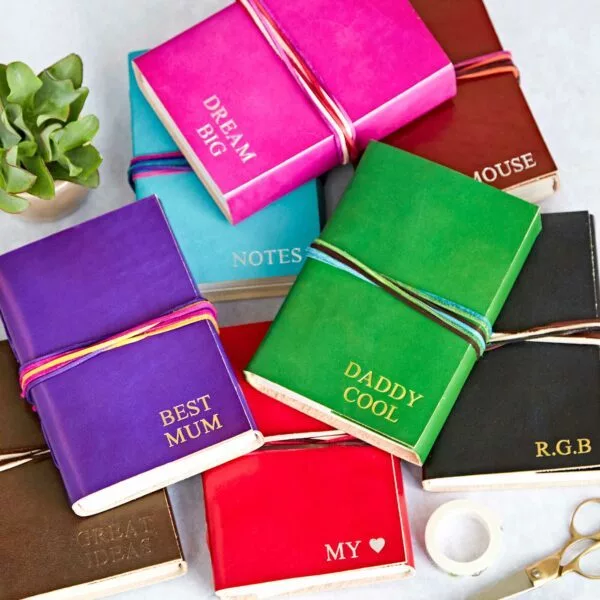
1. For Morning Pages: The Journal
What it is: A beautifully bound journal with thick, smooth pages that can handle daily brain dumps without bleeding through.
Why I love it: I have a personalised journal specifically for my morning pages, and honestly, it’s made me want to do them. The pages are substantial enough that writing feels significant, but not so precious that you’re afraid to scribble messily.
Best for:
- Morning Pages / Artist’s Way practitioners
- Stream of consciousness writing
- Daily journaling
What to look for:
- At least 200 pages (morning pages add up fast)
- Paper thick enough for gel pens
- Hardcover (it needs to survive daily use)
Where to get it: I love these ones, you can add your name or a meaningful word to the cover, which makes it feel even more special.
2. For Novel Planning: The Moleskine Large Ruled Notebook
What it is: The classic writer’s notebook. Hemingway used Moleskines. You’re in good company.
Why it works: The ruled pages give you just enough structure without being restrictive. It’s the perfect size for plotting—big enough to spread out your ideas, small enough to carry around.
Best for:
- Scene-by-scene plotting
- Character backstories
- Thematic brainstorming
- Writers who like to pace and think with notebook in hand
What to look for:
- Large size (13 x 21 cm) for space to think
- Ruled lines to keep plotting organised
- Expandable pocket for loose notes
Where to get it: Moleskine Large Ruled Notebook – the classic black, or choose from their special editions if you want something that reflects your book’s aesthetic.
3. For Each Book Project: A Dedicated “Book Bible” Notebook
What it is: One notebook per book project that becomes your creative sanctuary for that story.
Why I do this: Once my characters and scenes start forming and they’re past the vague daydreaming stage, I buy a new notebook specifically for that book. It travels with me everywhere. When an idea hits at 3pm during school pick-up, I pull it out and write it down.
There’s something powerful about having a physical object that is your book. It makes the story feel real, even when you’re only 10,000 words in.
Best for:
- Writers who work on one project at a time
- People who like to keep all book-related notes in one place
- Anyone who wants a ritual around starting a new project
What to look for:
- Something that reflects the vibe of your book
- Hardcover (it’s going to get thrown in bags a lot)
- High-quality paper if you’ll be writing scenes longhand
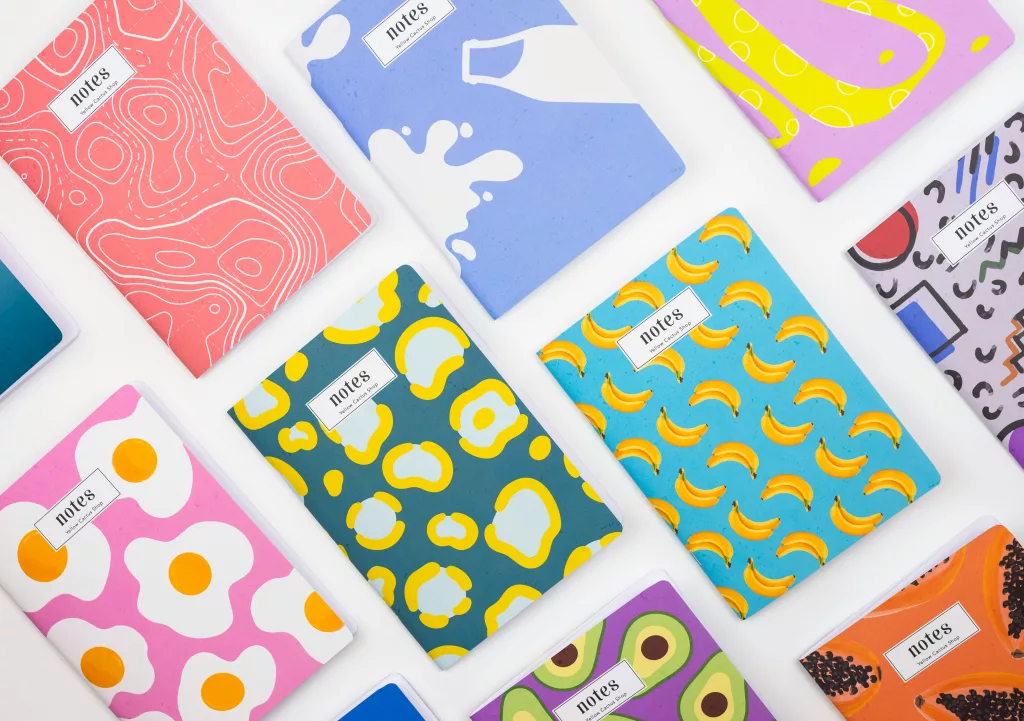
My recommendation: Leuchtturm1917 notebook – numbered pages and a monthly planner. It’s designed for people who mean business. This pretty small notebook with attached pen so you never get stuck.
4. For Idea Capture: The Pocket-Sized Notebook
What it is: A small notebook that lives in your bag, coat pocket, or car for when inspiration strikes.
Why you need it: The best ideas come at the worst times. School run. Supermarket queue. That moment right before sleep when your phone is charging downstairs and you can’t be bothered to get it.
A pocket notebook means you never lose those ideas.
Best for:
- Portable idea capture
- Writers who think while walking
- Busy parents who write in stolen moments
- Anyone who’s ever thought “I’ll remember that” and immediately forgot
What to look for:
- Actually pocket-sized (A6 or smaller)
- Soft cover (more portable)
- Decent paper (you’ll be using whatever pen you have on you)
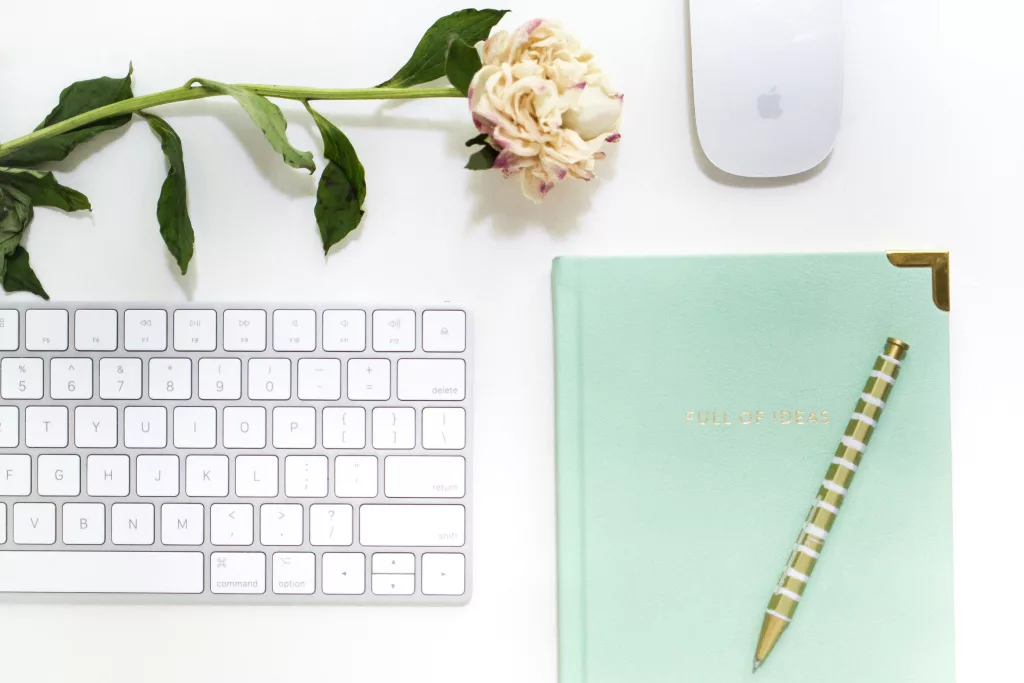
Where to get it: Pocket Notebook 3-pack – small, reliable, and comes with it’s own pen!
5. For Structured Planning: The Writer’s Planner
What it is: A planner specifically designed for writers, with prompts, goal-setting pages, and space for tracking your projects.
Why it works: If you’re the kind of writer who needs structure and accountability, a dedicated planner helps you see your writing as a real practice, not just something you do “if you have time.”
Best for:
- Writers who thrive on structure
- People working on multiple projects
- Anyone building a consistent writing habit
What to look for:
- Monthly and weekly spreads
- Goal-setting sections
- Habit trackers
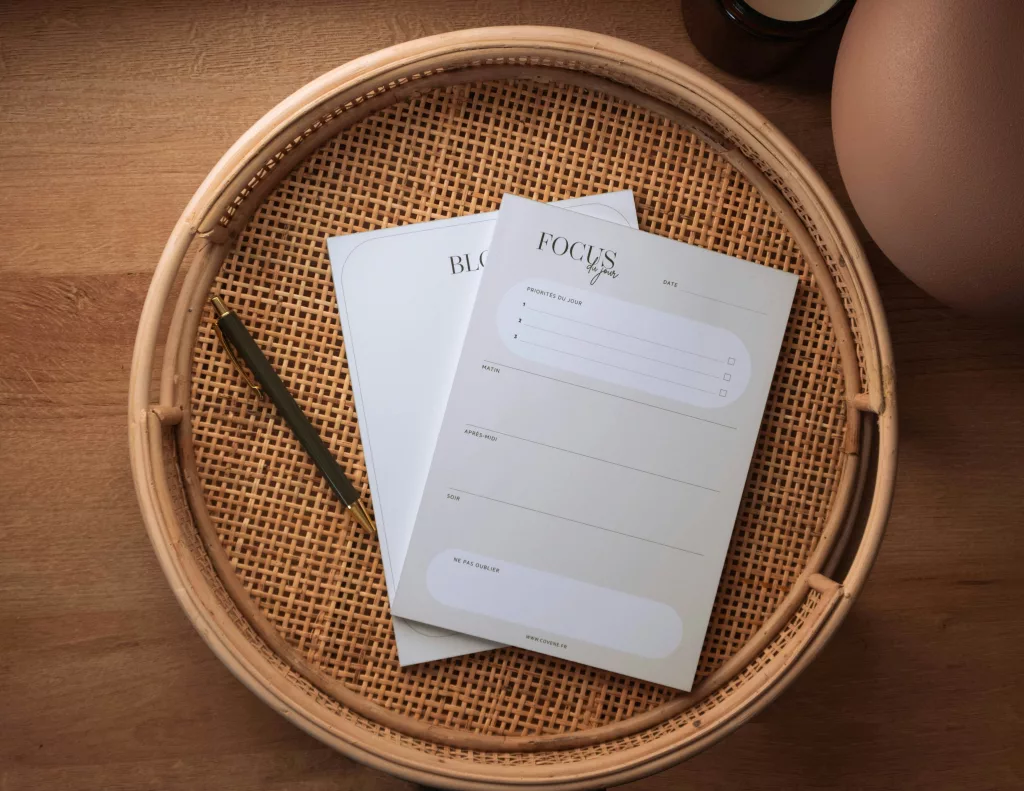
Where to get it: Writer’s planner – purpose-built for authors, with all the prompts and tracking pages you need.
The Best Pens for Writers (By Feel and Function)
Now for the good stuff: pens.
Listen, I could talk about pens for hours. The weight, the flow, the way certain pens make you want to write. So let’s get into it.
6. For Everyday Writing: Smooth Gel Pens
What they are: My absolute go-to. Gel pens combine the smoothness of rollerballs with the bold, consistent ink flow that makes writing feel effortless.
Why I love them: They glide. There’s no dragging, no pressure needed. Your hand doesn’t cramp even after pages of writing. And they come in gorgeous colours if you like to colour-code your notes.
Best for:
- Daily writing (morning pages, journaling)
- Long writing sessions
- People who want a smooth, satisfying writing experience
- Writers who like a bit of colour in their practice
Where to get them: Gel Ink Pens – minimal, reliable, perfect weight. Or Uni-ball Signo if you want more colour options.
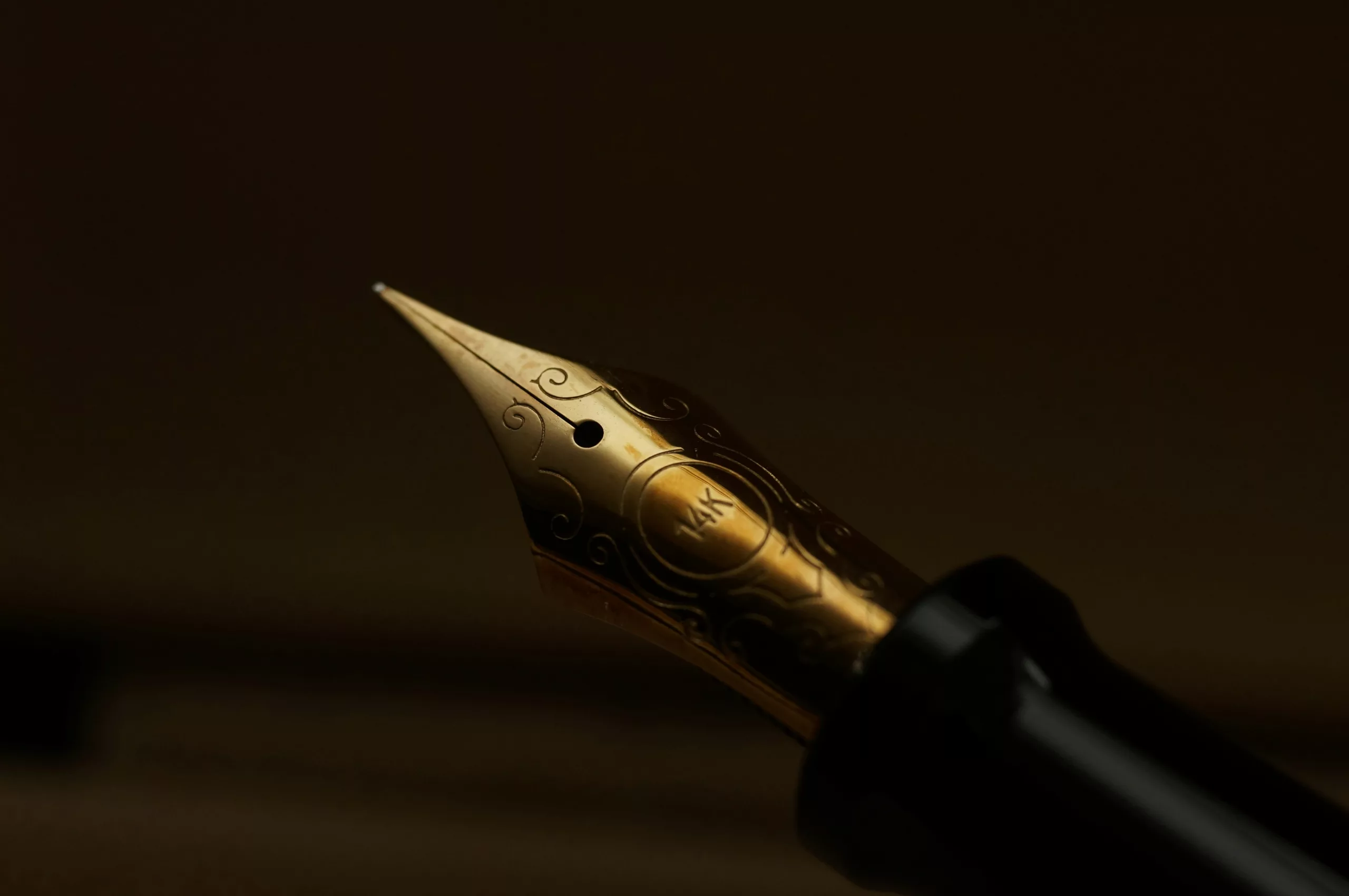
7. For Serious Writing: The Fountain Pen (A Treat-Yourself Option)
What it is: The ultimate writing experience. A fountain pen requires better paper, a bit more care, and a willingness to slow down, but the payoff is worth it.
Why I’m eyeing one: I’m doing morning pages every day now (thanks, Artist’s Way), and I’ve decided I want to treat myself to a proper fountain pen. There’s something ritualistic about using a tool that requires intention. You can’t rush with a fountain pen. You have to be present.
Best for:
- Writers ready to invest in their practice
- Morning pages devotees
- People who want writing to feel like a ritual, not a task
- Anyone who loves the tactile, sensory side of creativity
What to look for:
- Medium nib for everyday writing
- A pen that feels good in your hand (weight matters!)
- Refillable cartridges (more sustainable, more cost-effective)
Where to get it: Lamy Safari Fountain Pen – the perfect entry-level fountain pen. Reliable, not too precious, writes beautifully. Or splurge on a Parker fountain pen if you want something more classic and elegant.
Important: You’ll need fountain pen-friendly paper or a notebook specifically designed for fountain pens, like Leuchtturm1917 or Clairefontaine.
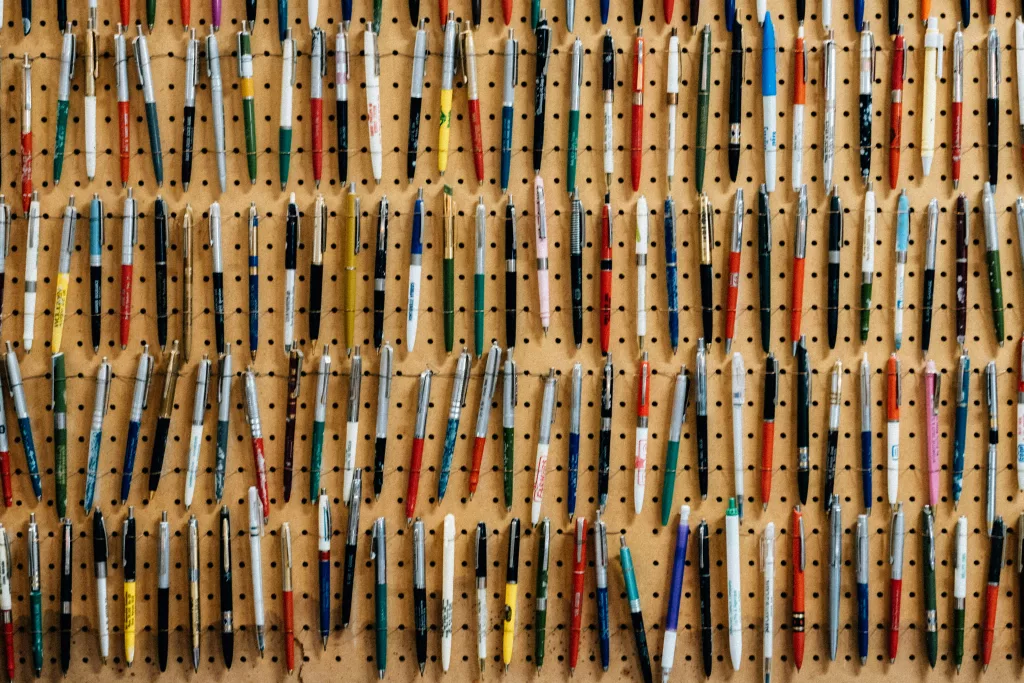
8. For Portable Writing: The Capped Rollerball
What it is: A pen that won’t leak in your bag but still writes smoothly when you need it.
Why it’s essential: If your portable idea-capture notebook is going to live in your handbag or coat pocket, you need a pen that can handle it. Capped rollerballs are the sweet spot: smooth writing without the mess.
Best for:
- Portable writing kits
- Busy writers on the go
- Anyone who’s ever had a pen explode in their bag (we’ve all been there)
Where to get it: Uni-ball Vision Elite – leak-proof, smooth flow, professional feel. Toss it in your bag with confidence.
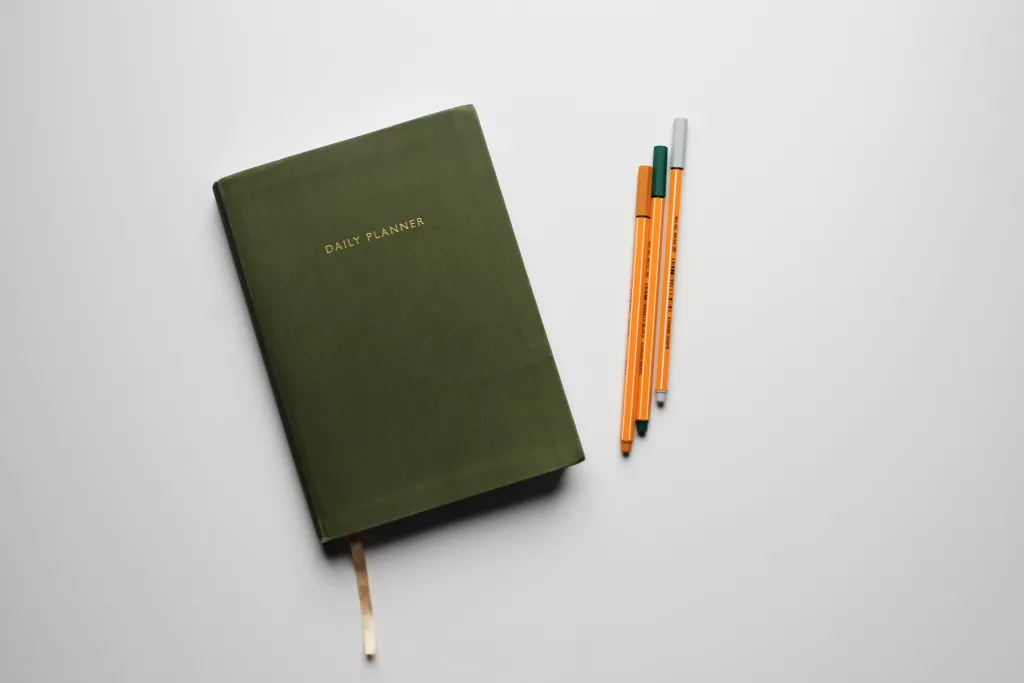
9. For Colour-Coding Plotters: Fine-Tip Marker Set
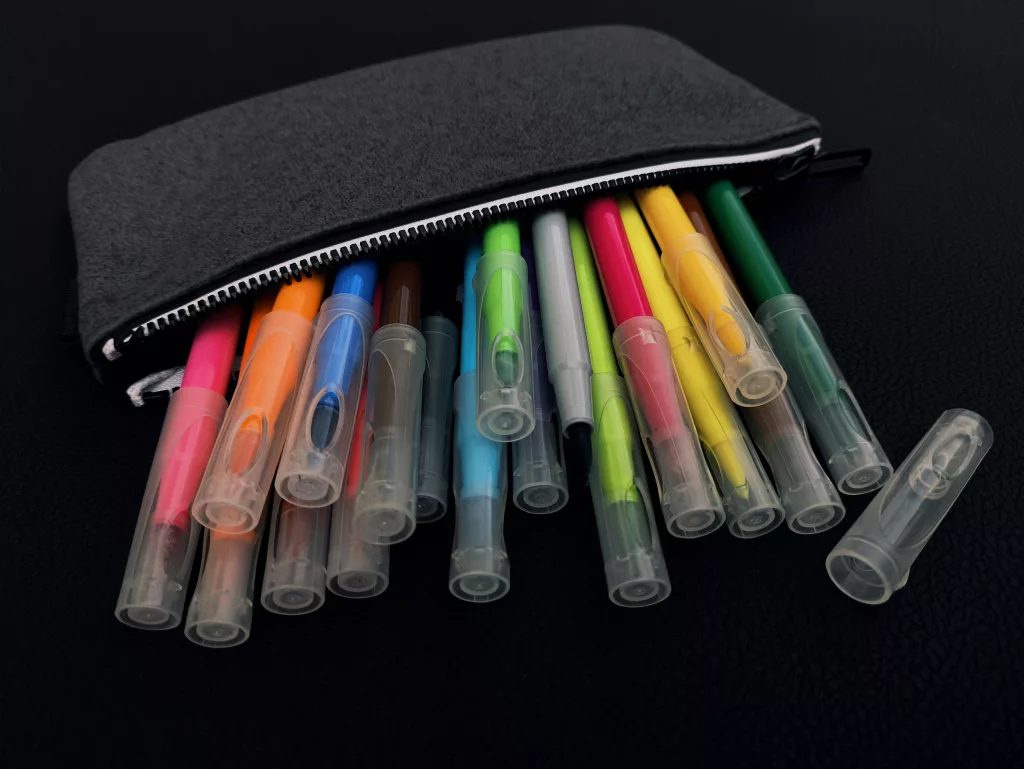
What it is: Not technically “pens,” but if you’re someone who plots visually and likes to colour-code characters, themes, or timelines, fine-tip markers are your best friend.
Why they work: Different colours help your brain make connections. Red for conflict, blue for emotional beats, whatever system works for you.
Best for:
- Visual thinkers
- Plotters who web out their ideas
- Writers who like structured, organised notes
- Anyone who finds joy in a well-organised notebook
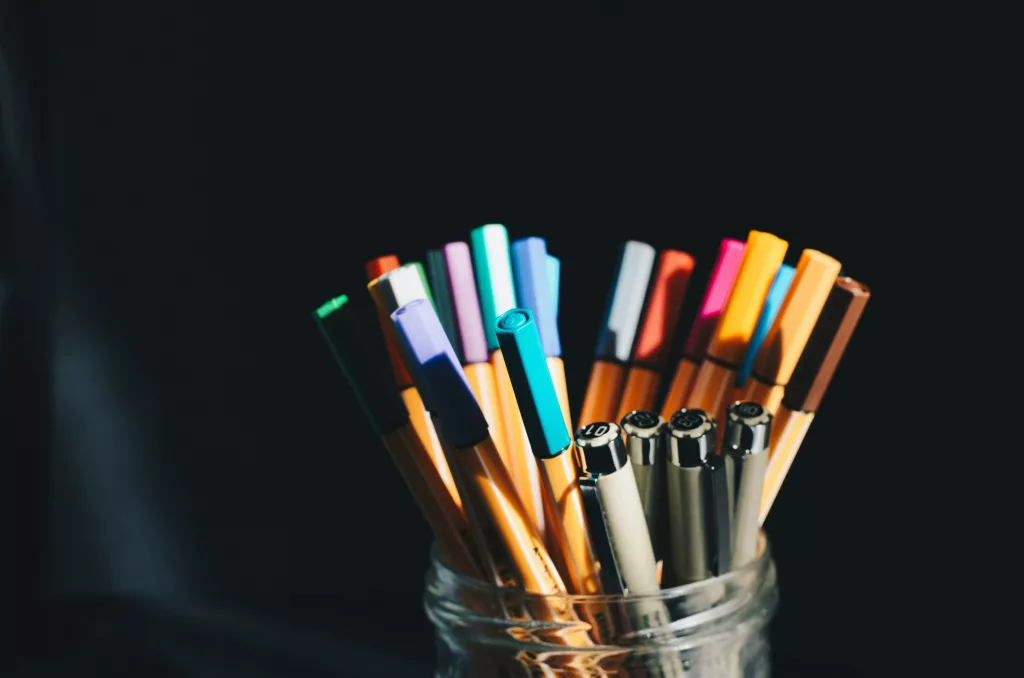
Where to get them: Staedtler Triplus Fineliner pens – fine tips, gorgeous colours, won’t bleed through most paper.
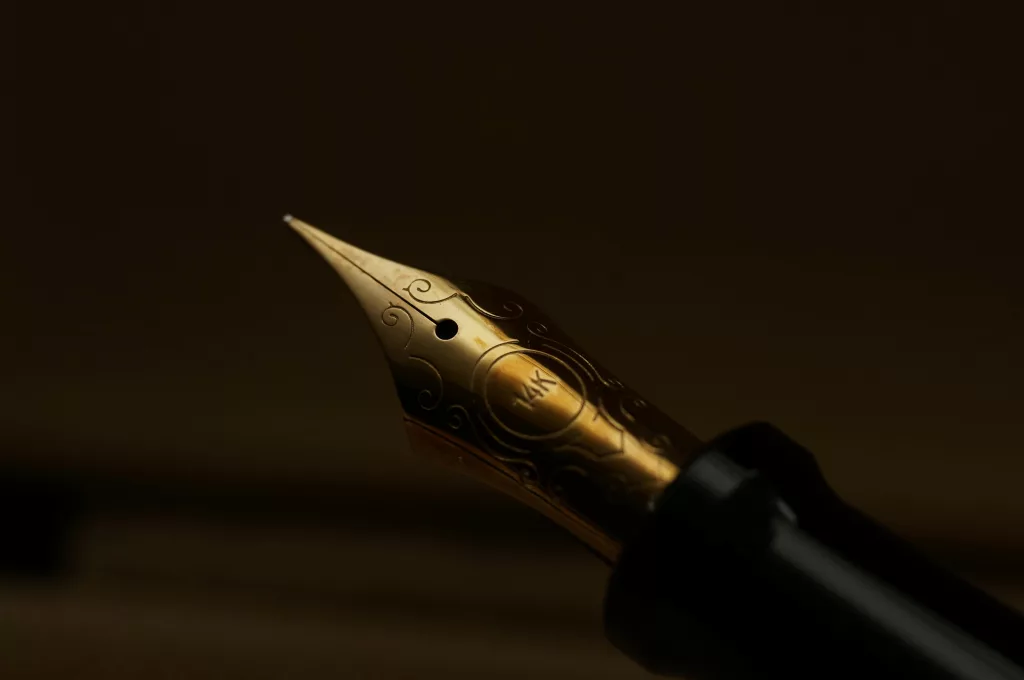
10. For Luxury Writing Sessions: The Weighted Pen
What it is: A pen with a bit of heft to it. The kind that feels significant in your hand, that slows you down in the best way.
Why it matters: Sometimes, the physical weight of your tools changes how you approach your work. A weighted pen makes writing feel more intentional, more important. Like what you’re doing matters.
Best for:
- Writers who want their practice to feel sacred
- People who appreciate quality tools
- Anyone ready to invest in their creativity
Where to get it: Cross Classic Century Ballpoint – timeless, elegant, the kind of pen you keep for years. Or Kaweco Sport fountain pen for a more compact weighted option.
Building Your Writer’s Stationery Collection (Start Here)
Feeling overwhelmed? Don’t be.
You don’t need everything on this list. You just need the right tools for how you write.
Here’s how to start:
The Minimalist Starter Kit (£30-£50):
If you’re new to handwriting or just dipping your toes in:
- One quality notebook – Moleskine ruled or Personalised Journal
- A pack of gel pens – Muji set
- One pocket notebook – Moleskine pocket
That’s it. Start there. See how it feels. Notice if handwriting changes your creative process.
The Morning Pages Kit (£40-£80):
For Artist’s Way practitioners or daily journalers:
- Personalised journal – This one is lovely
- Quality gel pens or fountain pen – Lamy Safari if you’re ready to splurge
- Cozy writing setup – pair with candle and tea from your writing space
Make it a ritual. Same journal, same pen, same time each day. Build it into your cozy writing routine.
The Novelist’s Toolkit (£60-£120):
For writers serious about their craft:
- Book bible notebook per project – Leuchtturm1917
- Plotting notebook – Moleskine large
- Pocket notebook for ideas – Moleskine pocket 3-pack
- Quality pens – mix of gel pens and one fountain pen for special writing
- Colour-coding markers – Staedtler fineliners
This is the full setup. You’ll have a dedicated place for every stage of your writing process.
The Stationery Lover’s Dream (£100+):
For those who know that beautiful tools inspire beautiful work:
Everything above, plus:
No judgment here. If stationery brings you joy and makes you want to write, it’s worth it.
How to Actually Use Your Stationery (Not Just Hoard It)
Okay, confession time: I’m guilty of buying beautiful notebooks and then being too afraid to “ruin” them with my messy first-draft thoughts.
Can you relate?
Here’s the thing: stationery is meant to be used.
That gorgeous notebook isn’t doing anyone any good sitting on your shelf, pristine and empty. It wants to be filled with your messy plotting, your terrible first drafts, your half-baked ideas that might become brilliant.
Permission Slips for Using Your Good Stationery:
“But what if I waste it on bad ideas?” There are no bad ideas in a notebook. Only ideas that lead you to better ones.
“But what if my handwriting is ugly?” Your handwriting is yours! That’s what makes it valuable.
“But what if I start writing in it and then abandon the project?” Then you’ll have a record of what you explored. That’s not failure, that’s part of your creative journey.
“But it’s too nice to use for morning pages / brain dumps / messy plotting.” Actually, that’s exactly what it’s for.
How to Integrate Handwriting into Your Writing Practice:
Here’s what works for me:
Morning pages: Fountain pen in my personalised journal. Every single morning. Non-negotiable.
Novel plotting: When I’m stuck, I grab my current book’s notebook and write longhand. Something about the slower pace helps me think through plot knots.
Scene drafting: Sometimes I’ll draft a difficult scene by hand first, then type it up later. The handwritten version is always more emotionally honest.
Idea capture: Pocket notebook lives in my bag. Always. Those random thoughts at school pick-up? They go in there immediately.
The Ritual of Pen and Paper (Why This Actually Matters)
We’ve talked about the science. We’ve covered the practical tools. But here’s what it really comes down to:
Writing by hand is an act of intention.
In a world where everything is fast, digital, and disposable, choosing to slow down and write by hand is radical. It says: this matters enough to take my time. My creativity is worth the effort.
When you create a cozy writing routine that includes handwriting, be it morning pages, or messy plotting sessions, you’re not just writing. You’re building a relationship with your creativity.
The scratch of pen on paper. The weight of the notebook in your hands. The way your thoughts slow down and deepen when you can’t just delete and retype.
This is the sensory magic of writing that got lost somewhere between typewriters and iPhones.
And you’re allowed to bring it back.
Join The Giddy Hygge Writing Society: Where the Process Matters More Than the Product
Want to be part of a writing community that celebrates the ritual, not the result?
Join the waitlist for The Giddy Hygge Writing Society – a membership where we build sensory libraries together, write with the seasons, and reconnect with the pure joy of storytelling. Where your beautiful stationery isn’t “extra,” it’s essential.
Where slow, cosy writing mornings are the whole point.
This isn’t about word counts or publishing deadlines. It’s about warm drinks, soft blankets, crackling candles, and a writing practice that feels like coming home.
Inside, you’ll find:
- Weekly seasonal letters about creating, not producing
- A private, intimate community (intentionally small and capped)
- Monthly fireside chats with authors and creators who inspire
- Guides on everything from freewriting to building your sensory library
- Support for when you’re ready to share your work (Substack, blogs, or just with us)
No hustle culture. No productivity shame. No waiting for permission from agents or publishers to call yourself a writer.
Just writers who understand: the how matters as much as the what.
Limited spots available when we launch. Join the waitlist here
Now go buy yourself that notebook you’ve been eyeing. Your stories are waiting.
And if you’re building a whole cozy writing sanctuary? Check out my guide to creating an aesthetic writing space that makes you actually want to write.